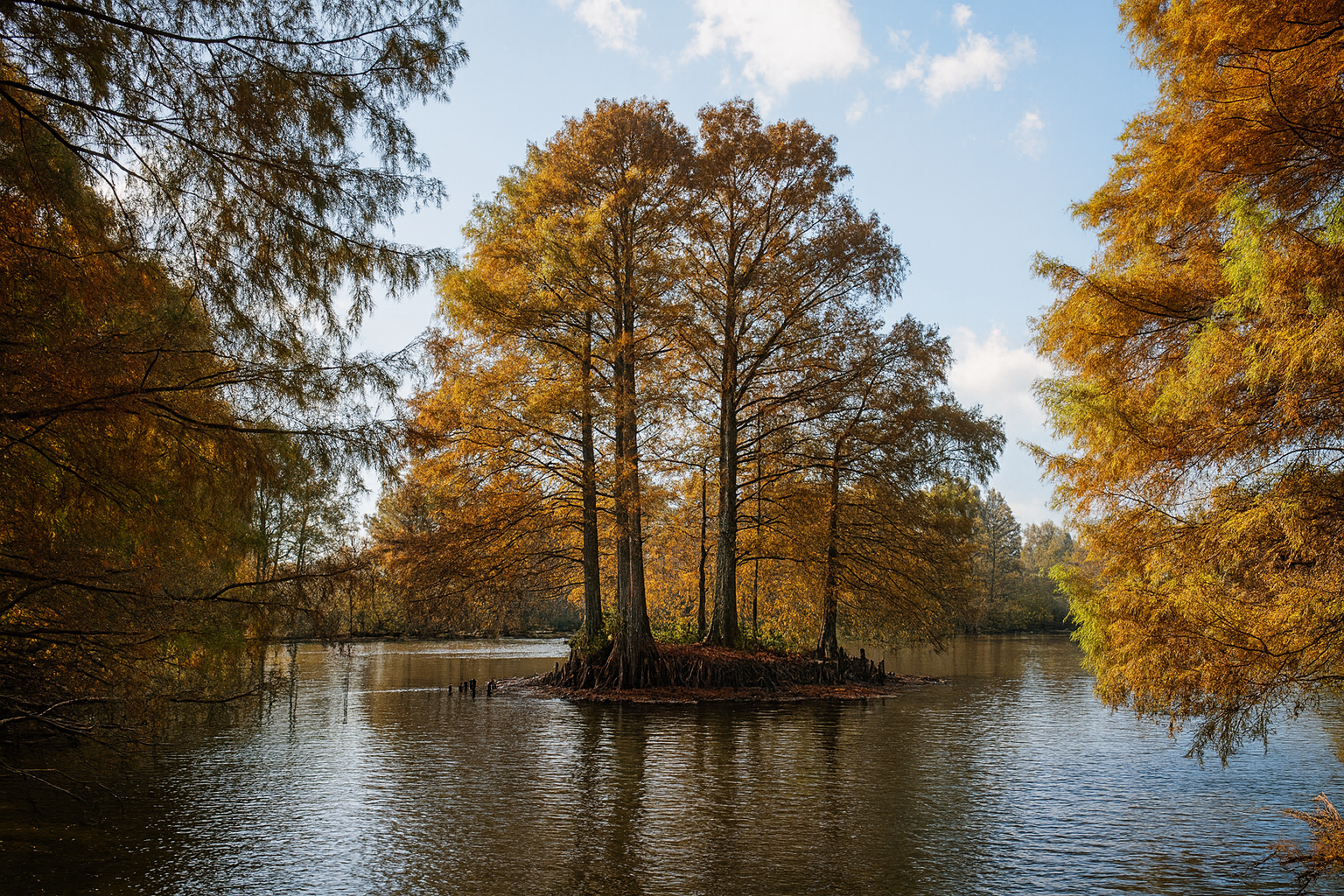
Flyway Forests works hand-in-hand with landowners to restore their land, enhance wildlife habitat, and create a legacy that endures. Getting started is simple—submit your interest, and a Ducks Unlimited specialist will reach out to discuss eligibility and next steps.

With a commitment to sustainability and environmental stewardship, we offer a range of services aimed at safeguarding the planet for current and future generations.
Work with our team to design a restoration plan that fits your goals. You choose which areas to restore while keeping access to the land you value most.
Landowners receive complimentary planting and ongoing maintenance visits from Ducks Unlimited and trusted local partners throughout the partnership.
Flyway Forests leases your land for restoration, providing annual payments that reflect fair economic value while allowing families to retain ownership and legacy of their property.
Ducks Unlimited and partners visit each year to monitor forest growth, apply adaptive management, and collect high-quality data for measurement and reporting.
We use guidance from the Farm Service Agency and review current land use. We will use remote sensing and aerial imagery to confirm reported land uses over the past 1-3 years.
Payments are determined according to land use and the desired contract type (permanent or term). Payments increase 2% annually over the duration of the contract. We included a full 20- and 40- year payment schedule at the end of this FAQ.
Both types of agreements tie the compensation to the property, so that payments run with the land. This means any remaining annual payments over the 20- or 40-year schedule will be conveyed to the current landowner if the property is sold before the payment schedule expires. This was designed to reduce risk for the program and create strong partnerships with landowners.
Landowners may place a donated standard DU conservation easement (CE) on top of the Flyway Forests term agreement or permanent easement options to receive tax benefits associated with a standard DU CE. The addition of a donated standard DU CE may place additional restrictions on the property to protect its conservation value, and the Flyway Forests carbon agreement must be considered in the valuation of the donated standard DU CE for either option. It is the landowner’s responsibility to secure an appraisal to determine the value of the donated CE, less the Flyway Forests carbon program acres.
No, there are no tax benefits for permanent conservation easements. These easements are paid easements involving ecological restoration that provides recreational benefits, which disqualifies them from the charitable intent that is required for landowners to claim a tax deduction.
Technically, Flyway Forests can be compatible with other programs, as long as the boundaries do not overlap. Carbon registries, like Verra, set strict standards for the voluntary carbon market to ensure project benefits are not double counted. Additionally, Ducks Unlimited and our partners minimize program stacking to avoid conflicting rules and requirements that may pose risks to the success of future forests and the carbon they store.
DU and partners set a performance target of 80% of planted seedling density over a 5-year period, which is equivalent to 349 trees/acre. This target density can result from a combination of planted seedlings and natural “volunteers” that regenerate on their own. Although we plant a variety of native species, with the majority as oaks, we do not have a species-specific performance criterion.
During the active crediting period (the initial 40 years), there are limitations on management. It is important to plan for access, building envelopes, food plots, and waterfowl management areas prior to finalizing Flyway Forests enrollment.
Over time, trees will compete for light and nutrients – this is a normal process in forest succession. Saplings grow vigorously at increasing growth rates until canopy closure begins to occur, around year 25-30, when the forest begins to self-thin and growth rates decline.
Compared to an intensively managed forest that produces timber, Flyway Forests sites will have more trees per acre and greater stand-level biomass. We encourage landowners to consider reserving food plots and access areas to ensure good recreational opportunities and a variety of successional stages in the forest as it matures.
Through the Flyway Forests Reforestation Program, landowners gain a practical and rewarding path to conservation.
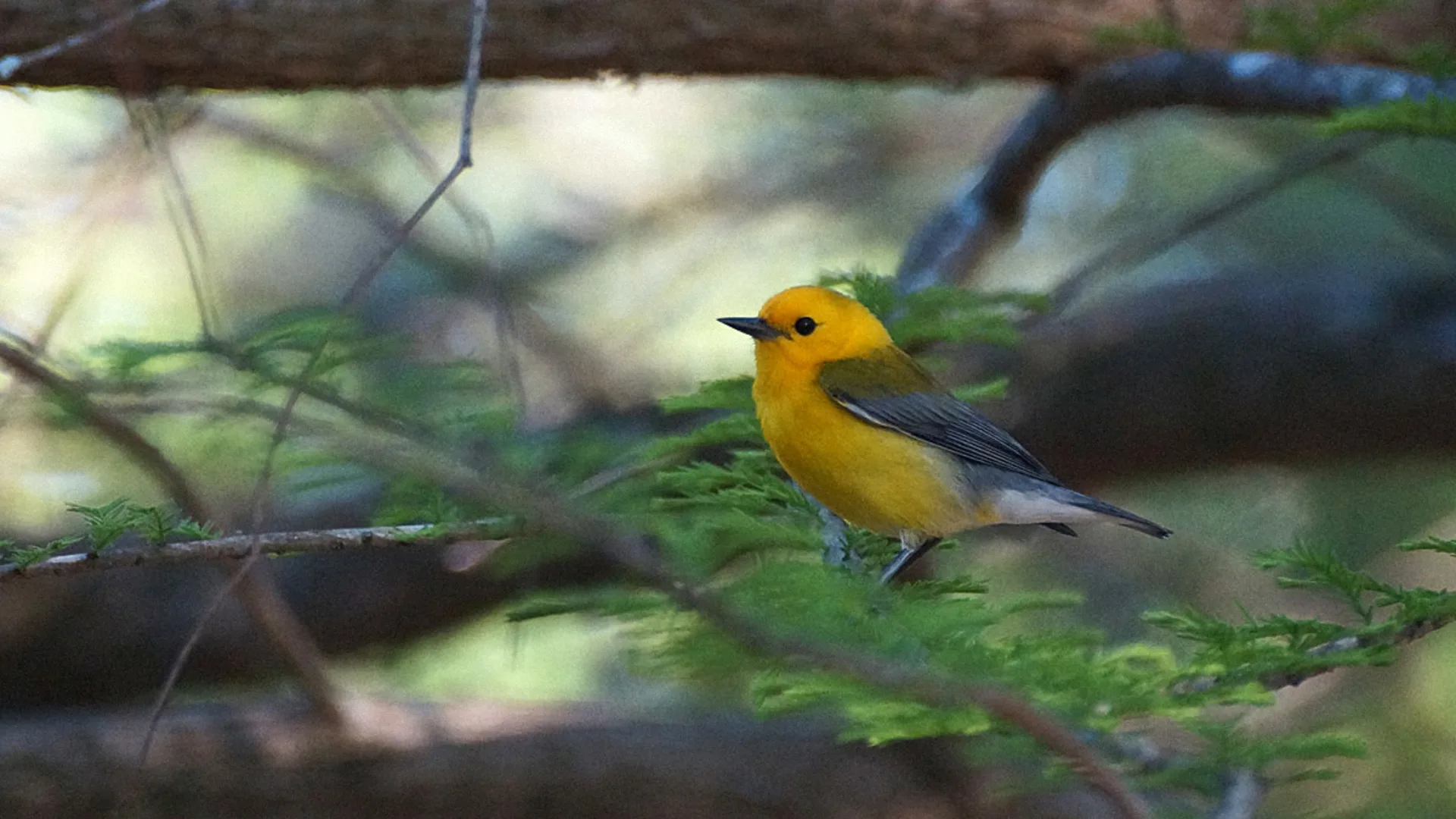
Biodiversity: Restores vital habitat along the Mississippi Flyway for migratory waterfowl and native wildlife.
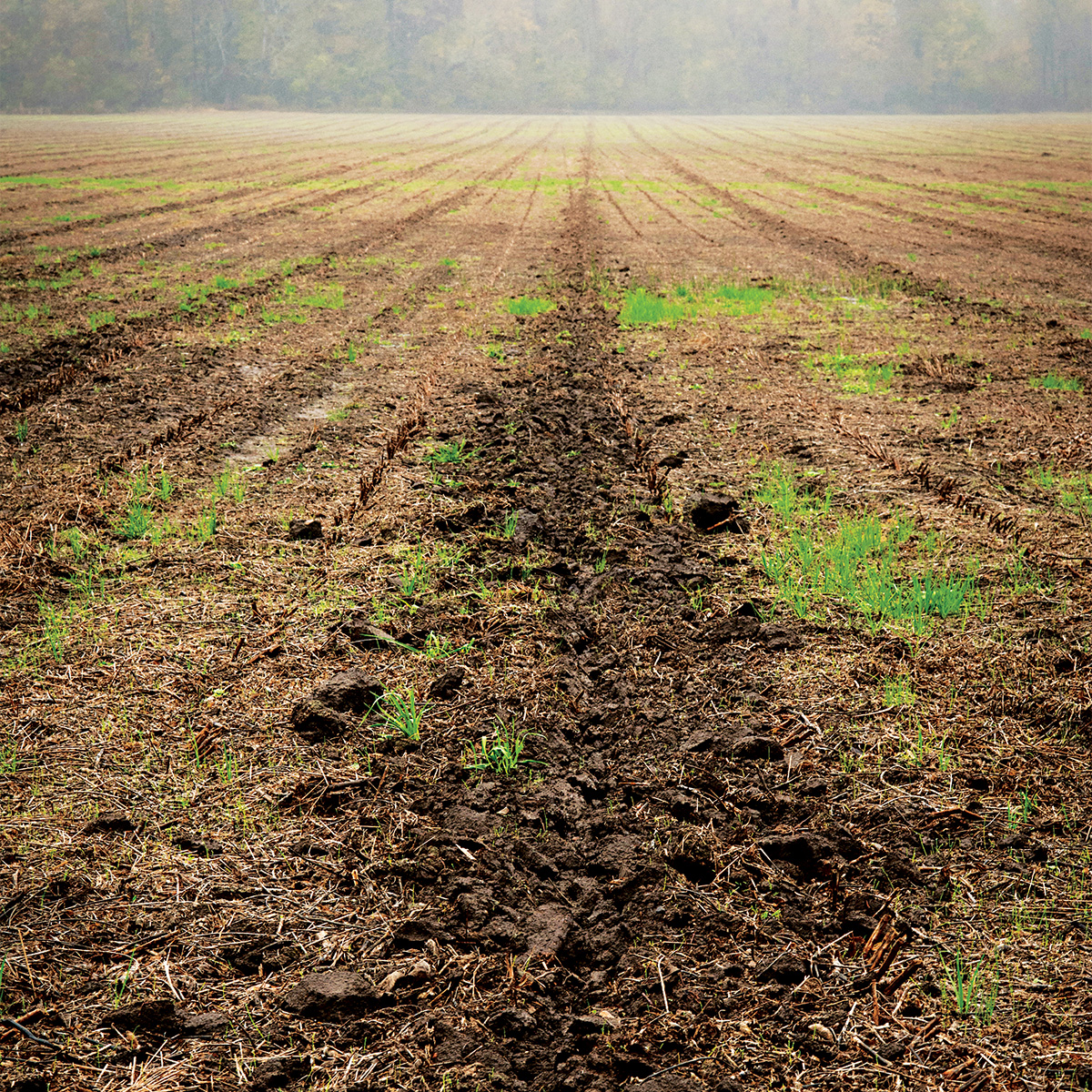
Soil & Water Quality: Revitalizes degraded soils and filters agricultural runoff, improving regional water health.
Recreation & Legacy: Creates opportunities for improved hunting and outdoor recreation while preserving family heritage.

Growing demand for carbon credits is boosting efforts to restore the South’s majestic hardwood forests

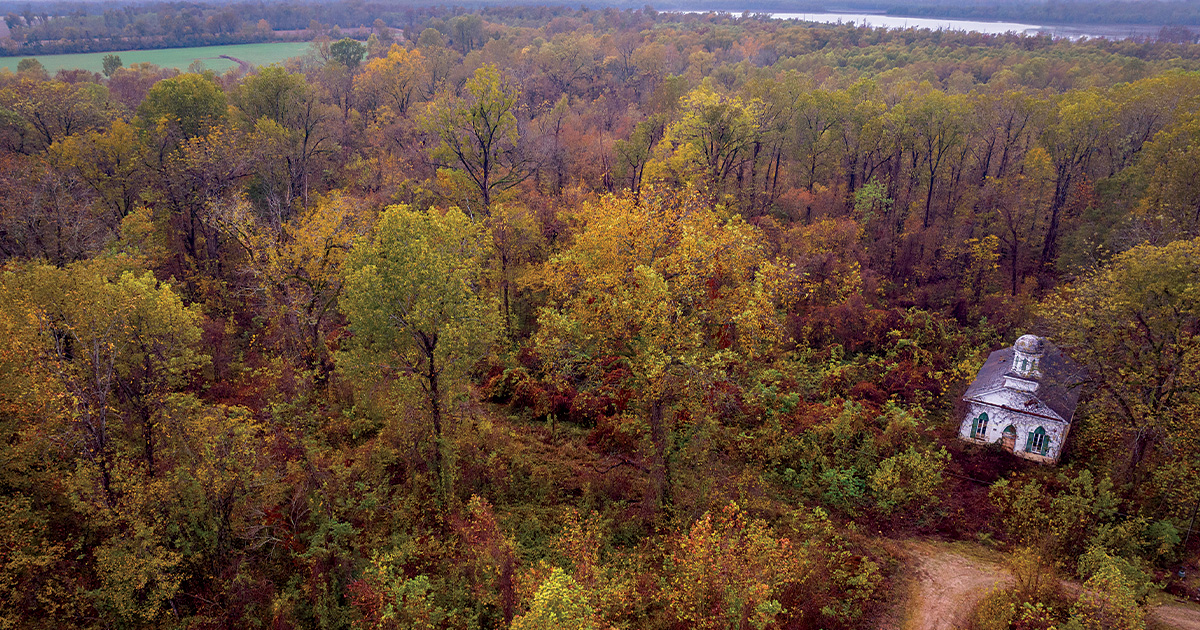
A new project is part of a larger effort to restore and protect 2 million acres of forest in the Lower Mississippi Alluvial Valley over the next two decades.

In today's world, our natural environment faces numerous threats, from climate change to habitat destruction.